Jupiter Waterfront Lifestyle And What It Means For Your Home
February 19, 2026
February 19, 2026
Picture yourself stepping from your backyard to your boat for a sunrise cruise, then ending the day with dinner by the water. If you are drawn to that rhythm, Jupiter delivers it in spades. To make the most of it, you also need to understand how water access, home features, permits, and insurance shape value. This guide breaks down the lifestyle and the logistics so you can buy or sell with confidence. Let’s dive in.
Jupiter sits where the Loxahatchee River meets the Intracoastal Waterway with direct Atlantic access through the Jupiter Inlet. Those three waterways are the backbone of daily life for boaters, anglers, and paddlers. The Loxahatchee is a federally designated Wild & Scenic River, prized for quiet kayaking and wildlife viewing, which gives you a natural counterpoint to ocean runs and ICW cruising. For onshore energy, the town’s Riverwalk corridor connects dining, events, and marina activity near the heart of Jupiter.
Waterfront ownership also comes with practical responsibilities. Flood mapping and coastal risk apply to most properties close to the water. The Town of Jupiter directs buyers to FEMA’s updated maps and urges you to check flood zones and request elevation certificates early in your search.
Jupiter is built for easy boating. The inlet provides quick ocean access for sportfishing and reef trips, while the Intracoastal and canal network offer protected cruising. Local options span private slips and club marinas. For example, Admirals Cove features a full-service marina with club amenities, and the Jupiter Yacht Club area combines residences with on-site dockage. To get a feel for local routes, review the Jupiter Inlet District’s boating overview.
If you love quiet water, the Loxahatchee River is a standout. As a Wild & Scenic River, it supports guided eco-tours and relaxed paddling from park launches up to historic sites. It is a different pace than the ocean, with shaded mangroves, birdlife, and calm water that is ideal for a peaceful morning.
Public parks like Carlin Park, Jupiter Beach Park, DuBois Park, and Sawfish Bay Park round out the lifestyle. Expect lifeguarded swimming in season, picnic areas, playgrounds, and kayak launches. These spots let you enjoy the shoreline even if your home prioritizes boating or river access.
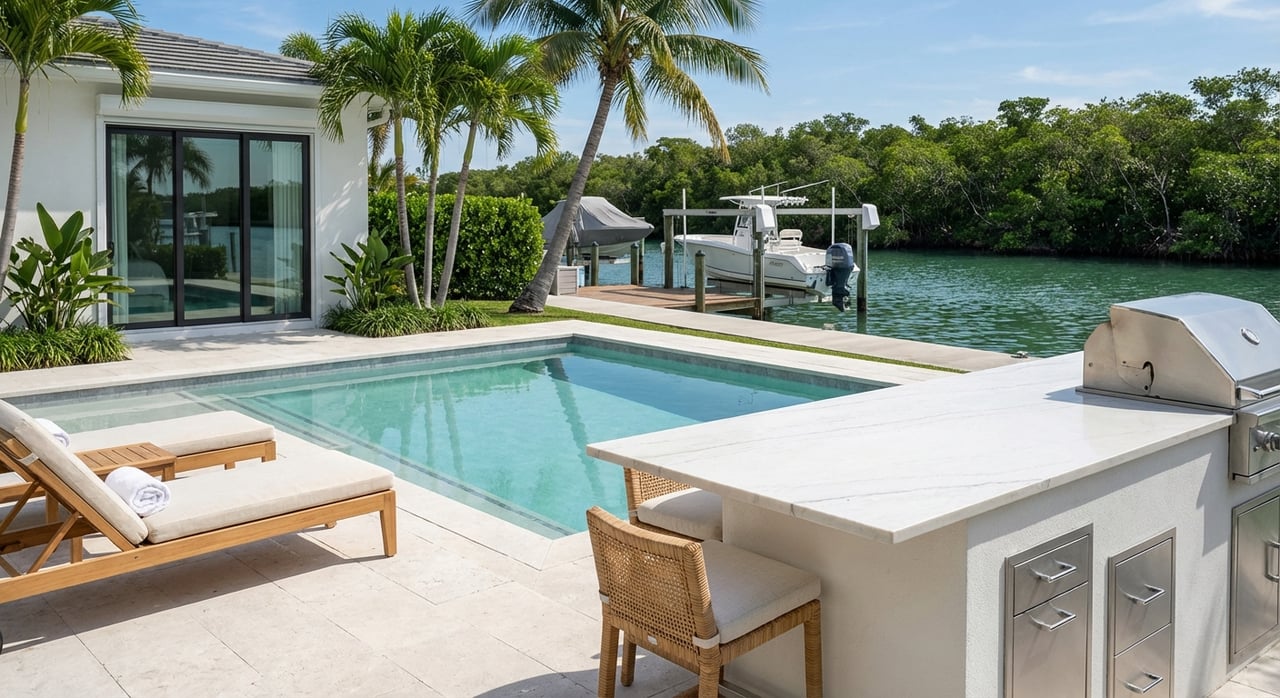
On canal or Intracoastal lots, private docks, floating platforms, and powered boat lifts are common selling points. Confirm whether dockage is deeded to the property, assigned by an association, or leased. Building or replacing a dock typically requires town, state, and sometimes federal review, and total project costs can reach into the tens of thousands depending on design and exposure. Plan for permits and environmental surveys in your budget and timeline, as outlined in this Florida dock cost and permitting guide.
Most canal and Intracoastal homes have a seawall or bulkhead. The wall’s age and condition matter because replacement or major repair can be a large and lengthy expense. National guides place typical residential seawall construction around 150 to 600 dollars per linear foot, with wide variation by material, soil, access, and salinity. Inspections, routine maintenance, and reserve planning are smart steps for both owners and HOAs.
You will see pools, integrated outdoor kitchens, covered lanais, and generous terraces designed to capture water views. These features elevate day-to-day living and support resale. Look for shade, ventilation, and durable finishes that perform in salt air. Thoughtful outdoor design turns the water into a backdrop for everyday life.
Waterfront homes often include impact-rated glass or shutters, reinforced roofing, and elevated mechanical systems. In FEMA coastal zones, elevation and foundation design can shape construction details and insurance. Use the FEMA Flood Map Service Center to check a property’s flood zone and discuss elevation certificates with your insurer and lender.
Waterfront demand in Jupiter remains strong. As a point of context, a recent report cited a Jupiter-area median sale price of about 717,500 dollars in March 2025. Market figures change quickly, so use this as a snapshot and rely on current local MLS data when you are ready to act.
The Jupiter waterfront lifestyle blends boat-to-backyard convenience with river calm, beaches, and club amenities. To protect your investment, make flood zone checks, dock and seawall evaluations, and permit planning part of your early due diligence. When you align lifestyle goals with clear facts on access, structure, and costs, you position yourself to buy or sell with confidence.
If you want a clear plan tailored to your needs, reach out to Grettie Sutton for a friendly, detailed consultation.
Stay up to date on the latest real estate trends.
Whether you're buying, selling, or just exploring your options, I’m here to guide you with expert insights and a personalized approach. Let’s start the conversation—reach out today!