Delray Beach Condo vs House for Full-Time Living
June 25, 2026
June 25, 2026
If you plan to live in Delray Beach full-time, the choice between a single-family home and a condo is about more than style or price. Your daily routine, your comfort with maintenance, and your tolerance for rules and shared costs all matter. The good news is that each option can work well for year-round living if it fits how you want to live. Let’s break down the tradeoffs so you can make a smarter move.
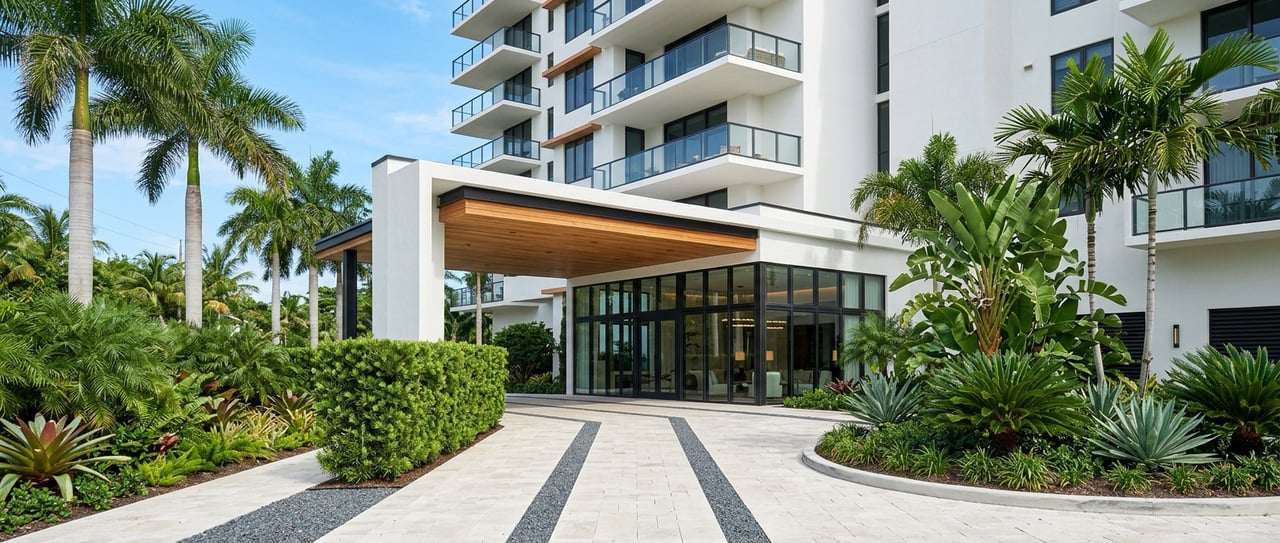
A condo and a single-family home give you very different levels of control. In a Florida condo, you own your unit and share an interest in the common elements, while the association handles common-area maintenance and common expenses. That setup can simplify day-to-day living, but it also means you agree to follow the association’s governing documents and board rules.
A single-family home usually gives you more direct control over the house and lot. You can often enjoy more privacy, more storage, and more freedom to make changes. Still, if the home is in an HOA community, you may still have fees, shared amenities, and enforceable rules, so detached does not always mean total independence.
For many full-time residents, condos are appealing because they reduce exterior upkeep. The association is generally responsible for maintaining common elements, and your monthly dues help fund upkeep, insurance obligations, and reserve expenses. If you want a lower-maintenance lifestyle, that structure can feel much easier to manage year-round.
Condos can also be a practical fit if you picture yourself enjoying a more walkable routine near Downtown Delray Beach or the beach. Delray Municipal Beach stretches 1.5 miles at the east end of Atlantic Avenue, and the city maintains both the beach area and the downtown corridor through its Clean & Safe Division. If being close to restaurants, the shoreline, and a more compact lifestyle matters to you, a condo may line up well with those goals.
That said, condo living comes with more shared governance. You are not just buying the unit. You are also buying into the association’s budget, reserve planning, maintenance approach, and rules. For some buyers, that tradeoff is worth it. For others, it can feel restrictive over time.
In Florida, condo due diligence is especially important. The Florida Department of Business and Professional Regulation says residential condo and co-op buildings three stories or higher must complete Structural Integrity Reserve Studies, and certain buildings also require milestone inspections. Those reports are part of the association’s official records and should be available to prospective buyers.
For you, that means reviewing condo documents is not a small side task. It is a major part of the buying decision. You will want to understand the budget, reserve history, any required inspections, and whether there may be future special assessments tied to building needs.
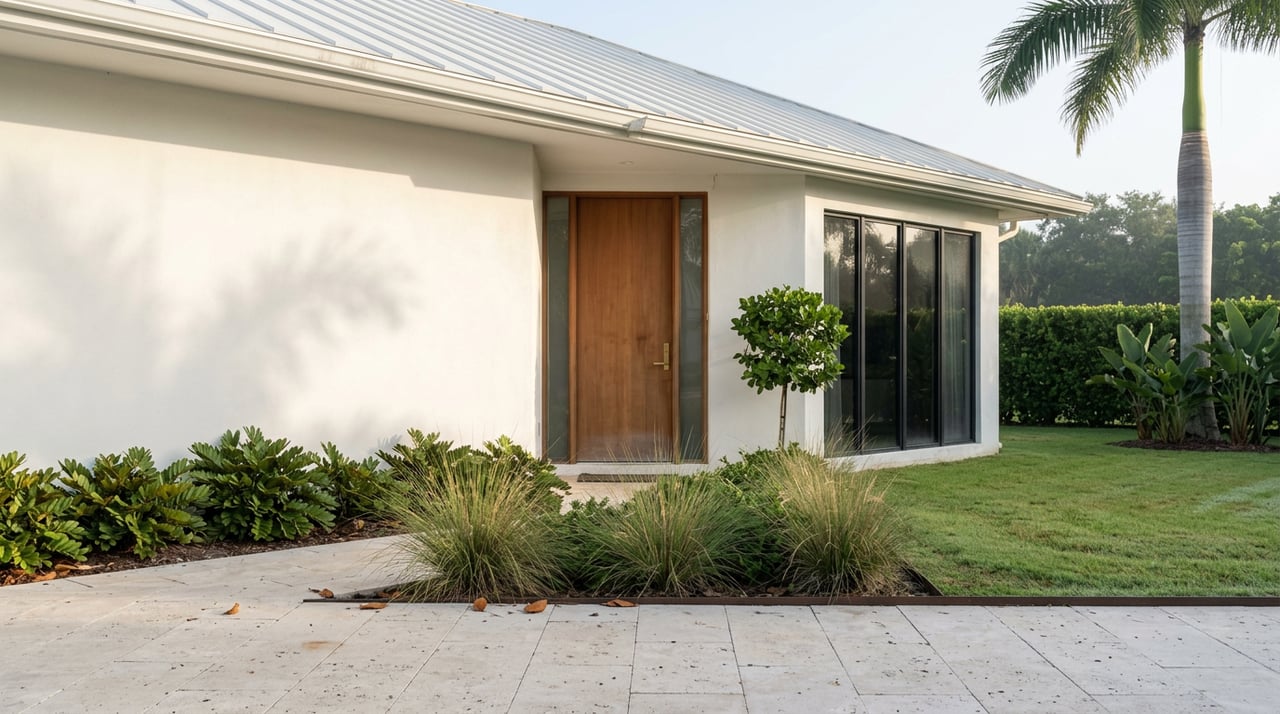
A single-family home often suits buyers who want more room to spread out and more control over the property. You may have private outdoor space, less overlap with shared spaces, and more freedom in how you maintain or improve the home. For year-round living, that can be a big advantage if you want your home to feel more independent.
The tradeoff is responsibility. With a detached home, you are usually the one making decisions about the roof, exterior, landscaping, repairs, and storm preparation. Some buyers love that control. Others find that it adds time, cost, and stress, especially in a coastal market where upkeep can be more involved.
If the property is in an HOA community, look closely at the rules and recurring costs. Florida HOA communities can still have mandatory fees, common-area obligations, and enforceable standards. A single-family home can offer more autonomy, but you should not assume it will be free of oversight or dues.
One of the biggest year-round living questions is how you want your housing costs structured. Condo ownership often comes with more predictable monthly dues, but those costs can rise based on common expenses, reserve funding, and special assessments. That can make monthly budgeting easier in some cases, but it also means you are sharing in the financial health of the building.
A single-family home shifts more repair and replacement risk directly to you. Instead of monthly condo dues covering shared exterior needs, you may face larger out-of-pocket costs when major systems need attention. The upside is that you often have more control over when work gets done, who does it, and how extensive the project will be.
The smartest comparison is not dues versus no dues. It is the full monthly carrying cost of each option. That includes:
Insurance is another major divider between condos and single-family homes in Florida. According to the Florida Chief Financial Officer’s consumer guidance, owner-occupied single-family homes commonly use HO-3 policies. Condo owners typically need HO-6 policies, which mainly cover personal property and liability and can include loss-assessment coverage for shared losses.
The same state guidance notes that standard homeowners policies do not cover flood damage. Premiums can also vary based on location, construction type, age, and mitigation features. In Delray Beach, that matters because your insurance profile may look very different depending on whether you buy a detached home, a condo unit, or a property in a more flood-sensitive area.
Some housing decisions are universal. Others are very local. In Delray Beach, parking, flood exposure, and daily access to downtown and the beach can shape whether a condo or single-family home feels more practical over the long term.
If you want to live near downtown or close to the beach, parking deserves more attention than many buyers expect. The city offers downtown resident parking programs, but those permits are not valid on Atlantic Avenue, at the beach, or east of the Intracoastal. That can make parking logistics an important part of your home search.
For condo buyers, assigned parking or secured parking may be a real advantage. For single-family buyers, on-site parking can offer convenience, but your location still affects how easy it is to enjoy nearby destinations. Before you commit, confirm what parking is included and how it supports your daily routine.
Delray Beach says its coastal geography makes the city vulnerable to tidal flooding, storm surge, and heavy rainfall. The city advises buyers to review FEMA flood maps, understand base flood elevation, and consider flood insurance even outside high-risk zones. That guidance matters whether you are buying a condo or a detached home.
The city also notes that 85% of waterfront parcels need seawall upgrades and has a seawall ordinance with higher minimum elevation standards. If you are considering a waterfront single-family home in particular, these issues can affect both ongoing costs and future planning. In a condo, some of that risk may be managed at the association level, but it still influences the building’s financial picture and your ownership costs.
If you plan to make Delray Beach your permanent residence, homestead benefits can help regardless of property type. Palm Beach County says the homestead exemption applies to a permanent Florida residence and generally saves about $750 to $1,000 per year in property taxes. That means the bigger tax question is usually whether the home is your primary residence, not whether it is a condo or a single-family home.
Palm Beach County also administers additional exemptions, including a limited-income senior exemption. For the 2026 exemption year, the county lists a household income cap of $38,686. Delray Beach also offers a super senior exemption for certain long-term owner-occupants age 65 and older with property value below $250,000.
A condo may be the better fit if you want simpler exterior maintenance, shared amenities, and a lifestyle centered around downtown or the beach. It can be especially appealing if you value convenience and do not mind living within a more structured association environment. The key is being comfortable with document review, reserve funding, and the possibility of assessments.
A single-family home may be the better fit if you want more privacy, more storage, and more direct control over your property. It can be a strong choice if you do not mind managing repairs, landscaping, and storm preparation yourself. Just remember that some detached homes still come with HOA rules and fees, so you will want to review those carefully.
As you compare Delray Beach condos and single-family homes for full-time living, focus on the issues that will shape your life after closing:
The best choice is usually the one that matches your routine, your budget, and your comfort level with upkeep and shared decision-making. If you want help comparing specific Delray Beach options with a practical, detail-first lens, connect with Grettie Sutton to schedule a free consultation.
Stay up to date on the latest real estate trends.
Whether you're buying, selling, or just exploring your options, I’m here to guide you with expert insights and a personalized approach. Let’s start the conversation—reach out today!