Understanding Boca Raton Real Estate Seasonality
December 4, 2025
December 4, 2025
Wondering why homes in Boca Raton seem to move faster in winter and linger in summer? If you are trying to time a sale or plan a smart purchase, understanding our seasonal rhythm can save you time and help you capture more value. In this guide, you will learn how Boca’s in‑season and off‑season patterns affect competition, pricing, and days on market, plus practical timelines tailored to your goals. Let’s dive in.
Boca Raton follows a strong South Florida pattern with an active in‑season from roughly November through April, with the most concentrated activity in December through March. During these months, you see more buyers in town, including seasonal residents and international visitors, which increases showings and competition. The off‑season, typically May through September, is quieter with fewer active buyers and longer marketing times for many property types. Early fall often serves as a ramp‑up period as sellers prepare listings for incoming winter demand.
Several drivers shape this cycle. Seasonal residents from the Northeast, Midwest, and Canada arrive in late fall and winter, expanding the buyer pool. High‑end buyers often schedule searches during winter visits, and investor interest in seasonal rentals rises ahead of winter demand. Climate matters too. Pleasant winter weather supports in‑person showings, while hurricane season (June 1 to November 30, with a historical peak in August to October) can slow listings and closings late summer into early fall.
In season, supply can feel tighter relative to demand, especially for desirable homes and popular price bands. Some sellers time listings to coincide with the winter influx, but well‑priced properties often still face brisk competition. In off‑season months, fewer owners list, and you may see motivated sellers surface for personal or financial reasons, creating selective opportunities for buyers.
Expect higher buyer traffic and more frequent multiple‑offer situations in season on well‑priced homes in good condition. Response times shorten, and concessions are harder to secure. Off season, buyers usually face less competition, enjoy more negotiation leverage, and can take slightly longer for inspections and financing contingencies.
Sale prices often land closer to asking in winter because demand is concentrated and many buyers are in town. In quieter months, transactions more often include price adjustments and seller concessions. The effect varies by segment, with luxury and waterfront homes typically mirroring seasonal influx more strongly than entry‑level single‑family homes.
DOM typically shortens during in‑season months as buyer traffic picks up, then lengthens during summer and into hurricane season. For condos and properties with seasonal rental potential, timing can be especially sensitive because many buyers analyze income potential ahead of winter.
Mortgage rates and lending conditions sit outside local seasonality, but the two interact. If rates rise, buyers in any season may be more rate‑sensitive. During peak season, lenders, appraisers, and inspectors tend to be busier, so allow extra time to keep your closing on track.
Many Boca Raton condos and HOAs have rental rules and approval timelines that can slow a deal, especially during peak season when boards, managers, and vendors are juggling more volume. Build in time for association applications, interviews, and document reviews.
Hurricane season can disrupt showing schedules, inspections, and insurance binders. Sellers often avoid listing in late summer when storms are most active, and buyers should plan for possible delays in underwriting and repairs.
If your goal is a premium outcome, plan to hit the early season window with a polished listing. Aim to list in September through November so your home is fully marketed as buyers arrive October through December and activity peaks December through March. Avoid launching too close to major holidays when travel and social calendars can limit showing windows.
If you prefer less foot traffic or are open to negotiating, consider listing in late spring or summer. You may attract motivated buyers with specific needs, though you should plan for longer DOM and potential concessions. Make sure your pricing reflects current off‑season activity in your micro‑neighborhood and property type.
If you plan to shop during peak months, start well before you arrive. Begin your search and pre‑approval process in August through January so you can tour quickly and write clean offers when the right home appears. Flexible showing times and quick decisions can be the edge that wins a competitive property.
If you want leverage, target late spring through early fall when competition eases. You may see more negotiating room and longer contingency windows. The tradeoff is that inventory can be thinner in preferred neighborhoods, so monitor listings year‑round and be ready to act when a match appears.
Condos that allow seasonal rentals attract snowbirds and investors, which can heighten winter demand. Association rules, lease minimums, and approval timelines play a big role in buyer interest and should be reviewed before marketing or making an offer. If rental income is part of your strategy, confirm details with the association in writing.
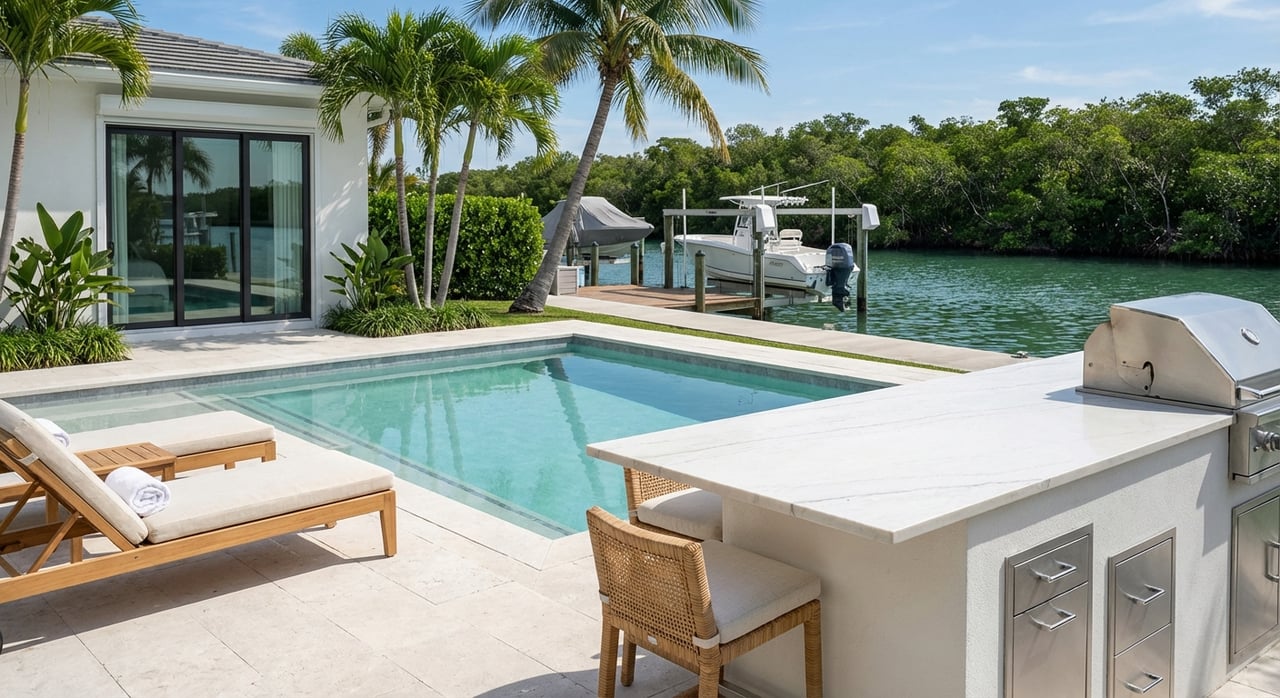
Luxury and waterfront segments often track the seasonal calendar most closely. Many buyers tour during winter visits, and showings can cluster on weekends and during daylight hours. Waterfront transactions involve additional diligence, such as flood mitigation, insurance, and marine structure condition, which can lengthen timelines and require coordinated scheduling.
Hurricane season runs June 1 to November 30, with activity historically peaking from August to October. During this time, weather can affect inspections, repairs, and insurance binder timelines. If your closing overlaps with an active storm period, your team may need to adjust inspection dates, confirm roof and wind mitigation reports, and build flexible closing windows into your contract.
Seasonality provides a useful playbook, but broader conditions can override or amplify the pattern. Mortgage rate swings, insurance market changes, and local policy shifts can change buyer behavior in any month. Data definitions also vary by source, so make sure you are comparing apples to apples when reviewing Boca Raton versus greater Palm Beach County figures.
When you understand Boca Raton’s seasonal rhythm, you can choose the timeline that best fits your goals. Sellers can list ahead of winter to capture peak exposure, while buyers can decide whether to compete in season or hunt for leverage off season. The right strategy often blends timing with pricing, preparation, and negotiation.
If you want a personalized plan that factors in your property type, HOA rules, and current market dynamics, connect with Grettie Sutton. You will get concierge‑level guidance, locally grounded pricing, and a clear path from strategy to closing.
Stay up to date on the latest real estate trends.
Whether you're buying, selling, or just exploring your options, I’m here to guide you with expert insights and a personalized approach. Let’s start the conversation—reach out today!