Imagine stepping from your patio to your dock at sunrise or crossing the street to a quiet stretch of sand at sunset. If you are drawn to Ocean Ridge’s easygoing, water-first lifestyle, you also want clarity on the details that protect your time and investment. In this guide, you will learn what “waterfront” really means here, which features to verify, how to think about maintenance, insurance, boating, and local rules. Let’s dive in.
Ocean Ridge at a glance
Ocean Ridge is a small, low-density barrier-island town framed by the Atlantic Ocean to the east and the Intracoastal Waterway to the west. The town spans roughly three miles and sits by the Boynton Inlet to the north and Briny Breezes to the south. It emphasizes a residential feel with limited commercial activity and a quiet day-to-day rhythm. According to the town’s new-resident booklet, the year-round population is about 1,700 and rises during the winter season. You can explore town services, local rules, and helpful checklists in the town’s new-resident booklet.
What waterfront means here
Oceanfront homes and condos
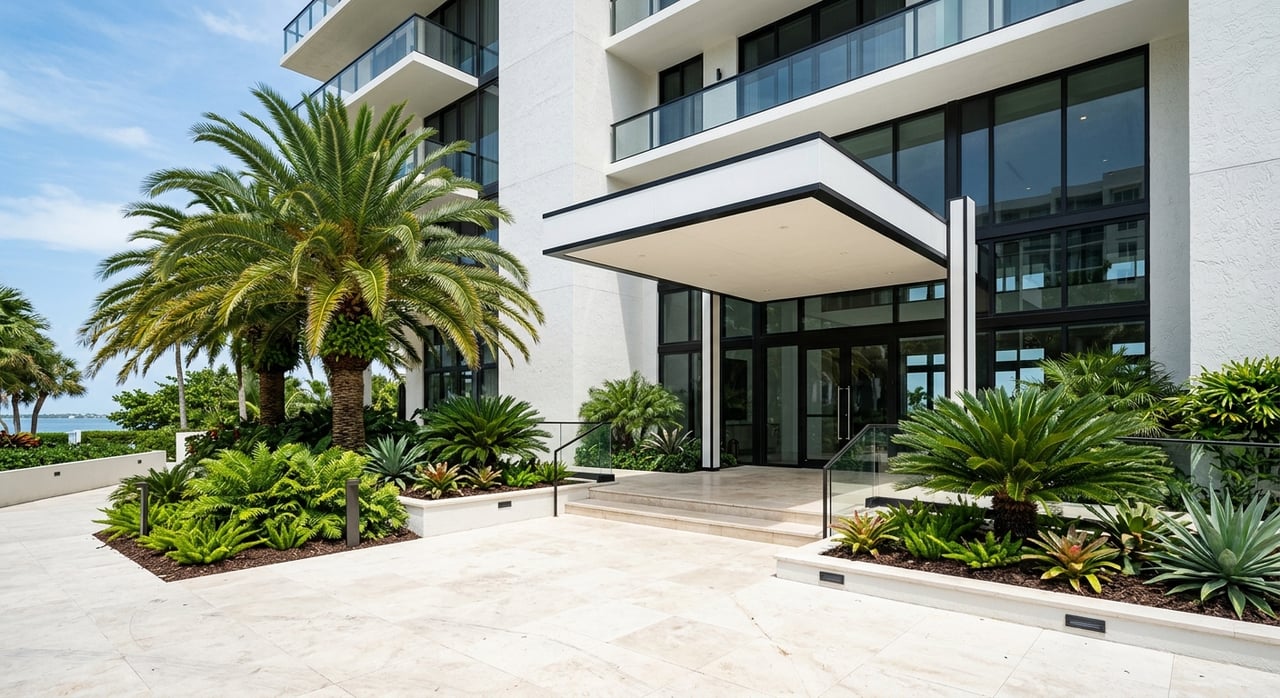
Along Old North Ocean Boulevard and nearby streets, you will see oceanfront condos and single-family homes. Some have direct beach access or deeded pathways for residents. Public access in the immediate area is served by nearby municipal beach parks, so you enjoy a relaxed, residential stretch rather than a high-density resort scene.
Intracoastal and canal living
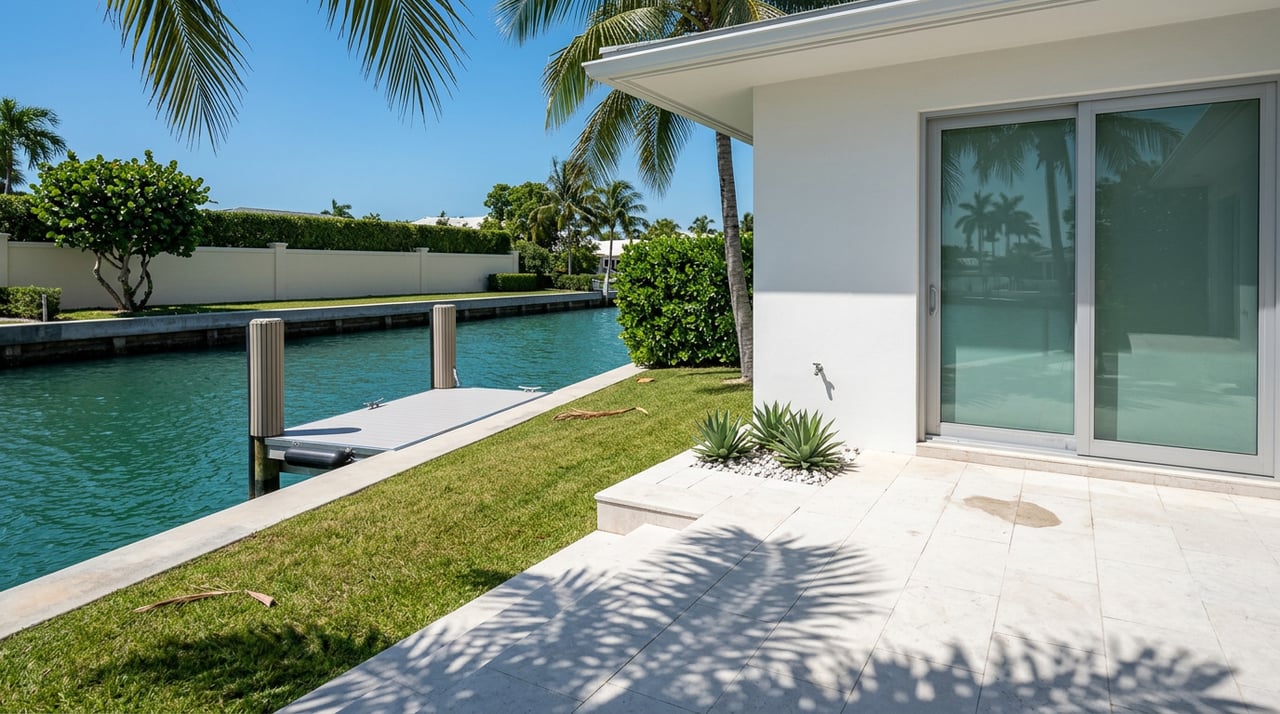
On the Intracoastal side, many homes sit on canals or face the ICW with private docks and lifts. A few communities offer marina-style amenities or resident slips that appeal to active boaters. Depth, bridge clearance, and slip configurations vary by property, so confirm what your vessel needs and what the property provides before you commit.
Condo communities with access
Several smaller condo and townhome communities advertise private beach access across A1A or shared dockage. If a listing mentions deeded beach or slip rights, verify those details in the recorded documents. Your goal is to understand exactly how access is granted, where it is located, and whether any rules or fees apply.
Key features to verify
Buying on the water is different from buying inland. A few checks will help you avoid surprises.
- Seawalls, bulkheads, and docks: Confirm condition, age, and any permits for construction or repair. The town’s Building & Zoning page posts permit checklists for docks, dune work, and shoreline improvements. Review records and ask questions before you write an offer. Start with Ocean Ridge’s permit and forms center.
- Deeded beach or access language: If a community advertises private or deeded beach access, read the HOA or condo documents and the recorded plat to confirm the location and rights outlined in writing. The town’s new-resident booklet is a useful orientation tool as you prepare.
- Coastal upgrades and resilience: Look for impact-rated windows and doors, storm shutters, elevating features, generators, and recent seawall or dock work. These upgrades can reduce risk and ongoing maintenance.
Maintenance and ownership costs
Waterfront living is rewarding, but salt and moisture add upkeep. Plan your budget and service calendar with that in mind.
- Salt, humidity, and systems: Coastal exposure accelerates corrosion and shortens service intervals for metal hardware, outdoor HVAC components, and boat-lift motors. Federal guidance such as FEMA’s Coastal Construction Manual recommends corrosion-resistant materials and regular inspections in marine environments. If you want the deeper dive, review FEMA P‑55’s coastal construction guidance.
- Seawalls and docks over time: Shoreline structures require periodic attention. Small dock repairs may be a few thousand dollars, while major replacements or custom lifts can run much higher. Use national cost guides only as ballpark planning and get a local marine contractor’s estimate for your specific site. For ranges and components, browse this dock repair cost overview.
- Who maintains what: In many cases, the homeowner maintains the seawall and dock. In condo and HOA communities, marinas or shared slips are often covered by association fees. Confirm responsibilities, reserve funding, and recent work through the town’s permitting resources and the association’s disclosures.
Flood, insurance and risk
Understanding risk and coverage is essential on the coast.
- Flood insurance is separate: Standard homeowner policies typically do not cover flood damage. Flood insurance is a separate purchase, either through the NFIP or a private carrier. If the property is in a FEMA Special Flood Hazard Area and you use a federally regulated mortgage, flood insurance will likely be required by your lender. See this plain-language overview of how flood insurance works.
- CRS participation can lower premiums: Ocean Ridge participates in FEMA’s Community Rating System, which the town notes can yield a premium discount for eligible NFIP policies. Confirm the town’s current CRS class and ask your insurance agent how it affects your quote, as discounts depend on policy details and flood zone. The town mentions CRS participation in its new-resident booklet.
- Elevation certificates and timing: Ask for any existing elevation certificate and permit history during due diligence. NFIP policies have a waiting period and coverage limits, so plan ahead and review options early. Start with FEMA’s overview of NFIP policy basics and timelines.
Boating and ocean access
For many residents, life here includes time on the water. The closest practical ocean access for local boaters is the Boynton Inlet, and nearby marinas provide fuel, transient slips, and services.
- Nearest ocean cut: Research current conditions at the Boynton Harbor area and inlet. Conditions vary with tides, weather, and vessel size, so consult local marinas and navigation resources rather than assuming one-size-fits-all access from every dock.
- Property-by-property variability: Canal width, depth, and bridge clearances differ across streets and communities. If you have a specific boat in mind, confirm the route and slip dimensions during inspections, not after closing.
Local permits and daily norms
Ocean Ridge prizes its quiet, residential character, which shapes how and when work happens.
- Permits and records: The town posts applications and checklists for docks, dune trimming and planting, fill, and right-of-way encroachments. You can request records and elevation certificate guidance at Town Hall or online. Start here: Building & Zoning permits.
- Contractor hours and expectations: Work hours are regulated, and the town emphasizes limited commercial activity. Expect a more residential rhythm than busier beach towns, which many buyers appreciate for privacy and calm. You can review local orientation notes in the new-resident booklet.
- Rentals and registrations: If rental income matters to you, review the town’s rental registration process and your community’s rules before you buy. The permit center includes rental registration forms and guidance on applicable codes.
Market context
Ocean Ridge is a small, island market with limited inventory. Third-party trackers often show high median prices that can swing quickly because just a few sales move the numbers. Instead of fixating on a single statistic, focus on comparable properties by water type, frontage, condition, and boat access. Your agent can help you calibrate value by micro-location and by the specific waterfront features you want.
Smart next steps
If Ocean Ridge is on your shortlist, turn inspiration into informed action.
- Walk or drive the neighborhoods on different days and times to see traffic, noise, and beach access patterns. The town maps and new-resident booklet are good companions.
- Ask for permit history, any elevation certificate, and documentation for seawall and dock work. Review HOA marina rules and slip ownership or rental terms. Use the town’s permit center as your reference point.
- Get preliminary flood insurance quotes and discuss timing and limits with your agent. FEMA’s site outlines NFIP timelines and basics.
- If you are a boater, call local marinas about slip availability, fuel, and pump-out services, and review conditions at the Boynton Inlet and harbor.
- Order a thorough pre-purchase inspection that includes dock, seawall, roof, and HVAC. Consider a marine contractor to inspect lifts, pilings, and electrical. For context, review this dock repair cost guide.
- Keep an eye on regional shore-protection and renourishment news, which can affect beach width and access. Town updates and regional notices are aggregated at Ocean Ridge Florida’s news site.
Ready to explore Ocean Ridge waterfront living with a trusted guide who knows the coastal nuances and the paperwork that protects you? Connect with Grettie Sutton to map your priorities, preview on- and off-market options, and move forward with clarity.
FAQs
Do I need flood insurance for an Ocean Ridge oceanfront home?
- If your property is in a FEMA Special Flood Hazard Area and you use a federally regulated mortgage, your lender will likely require flood insurance. Even if not required, separate flood coverage is strongly recommended on the coast. Learn more from this consumer flood insurance overview.
Who pays for dock or seawall repairs after closing in Ocean Ridge?
- It depends on your contract and the property’s history. Always request seller disclosures and review the town’s permit records and any elevation certificate before you close. You can start with Ocean Ridge’s permit and records page.
Can I take my boat from my Ocean Ridge dock straight to the ocean?
- Many properties have Intracoastal access, and boaters commonly use the nearby Boynton Inlet. Actual suitability depends on canal depth, bridge clearance, sea state, and your vessel. Check local marinas and current conditions at the Boynton Harbor and inlet.
Is Ocean Ridge a busy, touristy beach town?
- No. The town emphasizes a quiet, low-density residential character with limited commercial activity. You can review the local culture and norms in the town’s new-resident booklet.